Cambridge International AS & A Level · Media Studies 9607

Ibrahim Aamir

Portfolio blog for the AS Level Foundation Portfolio and the A Level Advanced Portfolio. Both submissions are presented below — use the tabs to switch between them.

CandidateIbrahim Aamir
Candidate No.0281
CentreLahore Learning Campus (PK802)
SeriesMay 2026
TeacherMian Zohaib Akbar
Blogibrahimaamir.com
AS Level · 9607/01 · Foundation Portfolio

When the Sun Goes Down

Psychological Horror · Mystery · Suspense

Post 01 — Initial Concept

A Picnic That Shouldn't Be Happening

Title

When the Sun Goes Down

Genre

Psychological horror / mystery / suspense

Tone & Mood

Eerie, tense, unsettling, investigating, slow-building.

Target Audience

Teenagers and young adults who enjoy psychological horror, suspense and mystery.

Brief Summary of the Opening

The opening follows a detective who has heard repeated warnings about a strange place where he lives. One warning stands out: a man tells him that some people always begin the picnic when the sun goes down. He visits there casually the same night and finds a group of people who are having a picnic there — which already is a bit unsettling as the place they are having the picnic at is not in any condition to sit, let alone have a picnic at. After silently sending someone to check on the place again, he returns when that person goes quiet. The opening ends with the detective discovering small signs that someone may have been dragged away, suggesting that something deeply wrong is hidden there.

Why I Chose This Idea

I chose this idea because I enjoy stories with mystery and horror — something deeper at play than they are letting on. These kinds of stories create a sense of slight dread, especially when the horror is presented in something familiar like a picnic, or in how people act normally but with something slightly wrong in their behaviours or in the place the picnic is taking place. This idea allows me to use camera angles, lighting, setting, sound, and the curiosity of the viewer along with tension.

In Association With White Pages — opening title card
Opening title — production branding card before the story begins.
Post 02 — Research

Studying Two Openings

Research 1 — The Conjuring (Film Opening)

Genre

Supernatural horror / suspense.

What I Liked

I liked the slow build-up and how it first introduced us to Annabelle (the threat) and the main characters. This instantly tells us everything we need to know in the scene. The scene also uses dull and dark lighting to portray the mood, and background music to help the viewer feel more unsettled. The scene quickly establishes the mystery and danger without revealing everything else.

Mood It Created

A sense of dread — but hope as well that the main characters may be able to help — which heightened the emotional stakes. The horror doesn't fully present itself; only the information which leads the viewer to think of the possibilities of what kind of danger the doll can inflict.

What I Used in My Own Opening

Dark lighting, careful camera angles and slow build-up of dread. I also wanted to introduce important characters and clues early while still managing to keep the full danger hidden from the audience.

Research 2 — Resident Evil 7 (Game Opening)

Genre

Survival horror / psychological horror.

What I Liked

I liked how it first shows a video of Mia, the main character's wife — all well, showing a normal and even happy life. The fact that it was on the screen already gave a sense of wrongness. Then it was revealed to be a previous video, and the present was presented as a total tonal shift — making the viewer question how it got here. Details like scars and blood created a sense of mystery.

Mood It Created

Tense, eerie, unsafe — in a way that the viewer does not want the main character to be there. It was also disturbing in how it took familiar things and placed them in disturbing circumstances, making the audience feel that something is terribly wrong here.

What I Used in My Own Opening

The tone and the mystery. I used familiar objects which usually give a sense of safety, but placed them in a way that feels wrong and awkward.

Post 03 — Production Schedule

Two-Day Turnaround

DateTask
13th AprilConcept
13th AprilResearch
13th AprilBlog Entry 1 and 2
13th AprilProduction Schedule
13th AprilRecce Report
13th AprilRisk Assessment
13th AprilStoryboard
13th AprilScript
14th AprilBegin filming
14th AprilFinish filming
14th AprilEdit final opening
14th AprilProduction diary updates
14th AprilExport and save final product
14th AprilReflection
14th AprilOrganise submission files
Post 04 — Recce Report

Scouting the Barren Ground

Location 1 — Field / Open Ground Near Fence

Scenes planned here

This location is used for the picnic area used by the strange people every night, and where the detective investigates.

Why this location suits the opening

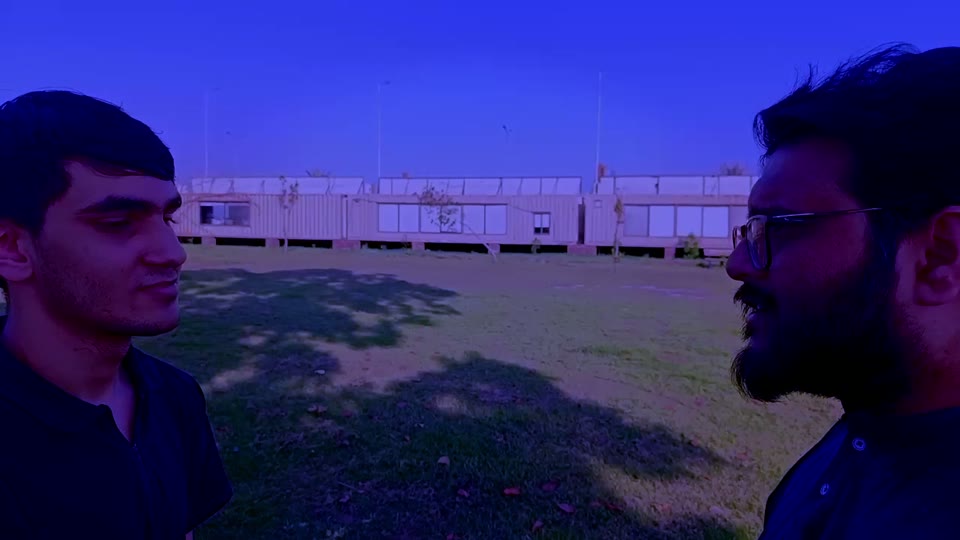
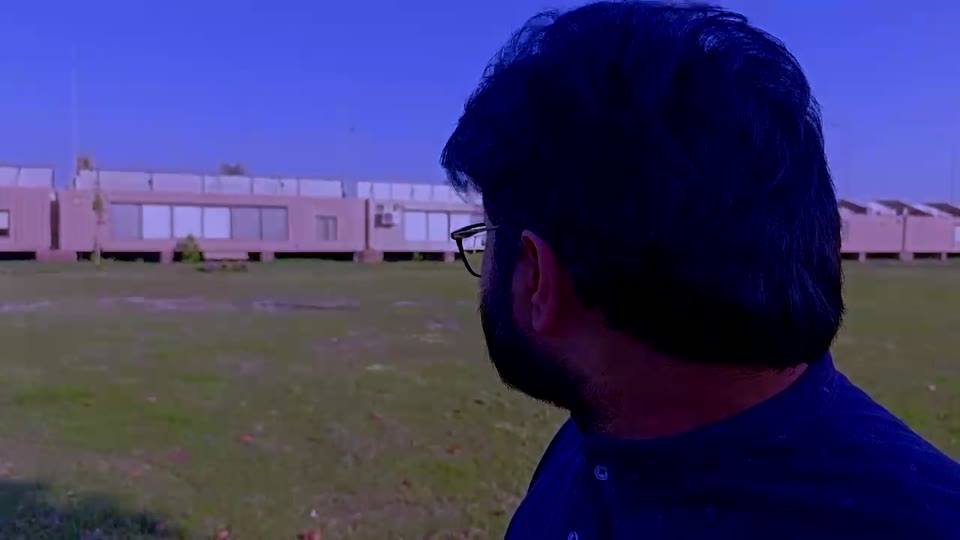
I chose this location because it gives a sense of familiarity as a park, but with an uncanny vibe — it is incredibly large, barren, incomplete and messy, which is slightly unsettling. It is unusual as a picnic spot, as normally people would choose a greener, safer, more secure area. The fact that the characters are having their picnic here already makes it suspicious, giving the audience a sense of uneasiness.

Possible problems & how I solved them

  • Outside noise — filmed at quieter times
  • People passing by — avoided busy moments
  • Uneven ground — careful when placing equipment
  • Used framing that focuses on the emptier and rougher parts of the area

Location 2 — Front Gate / Entrance Area

Scenes planned here

Used for transition shots of the detective leaving or arriving, and the opening bell/gate conversation with Ron.

Why I chose this location

It gives a believable exit and entrance point and helps connect the indoor and outdoor scenes. It also has a clean and realistic look for short transition shots.

Possible problems & how I solved them

  • Visible house number — avoided showing it clearly
  • Daylight might make the scenes too normal — used tighter framing
  • Passing people or vehicles — filmed at quieter times
  • Chose angles that focus on movement and mood
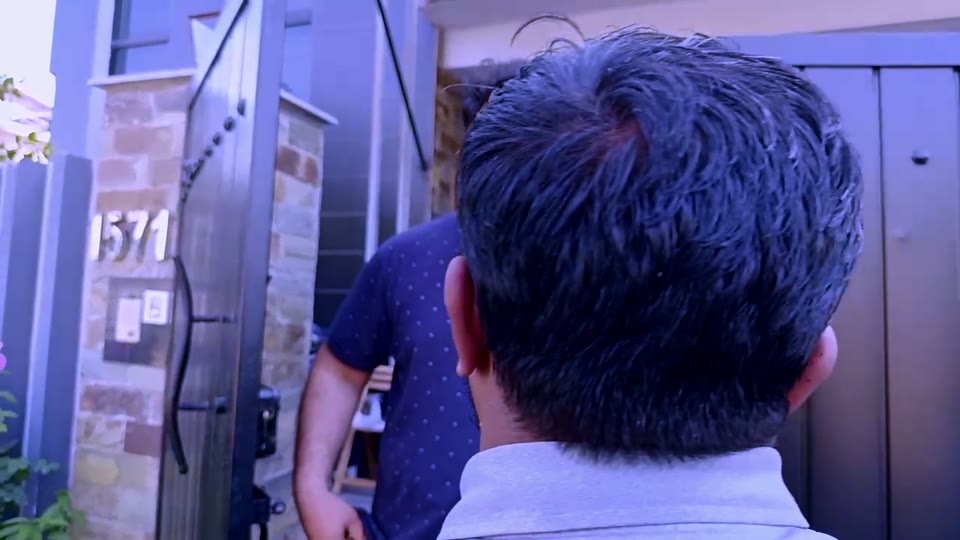
Location 2 — the gate / entrance, as used in the opening bell scene
Location 2 — the gate, as filmed in the opening scene (Shot 1–5, Ron visits the detective).
Post 05 — Risk Assessment

Health & Safety on Set

RiskWho is at riskHow it is reducedLevel
Uneven ground in the fieldActors / CrewWalk carefully, avoid unstable areas, watch footing while filmingMedium
Traffic or passing people near the fieldActors / CrewFilm at quieter times, stay away from surroundingsLow
Low lighting during night scenesActors / CrewUse controlled lighting, move carefully around the setMedium
Distracting house number visible at the gateFilming qualityUse tighter framing or avoid showing the number clearlyLow
Post 06 — Storyboard & Shot List

Twelve-Shot Opening

Shot 1 — Medium. Ron presses the gate bell and waits. Bell sound. Slight tension.
Shot 2 — Medium. Detective opens the gate. "Hey Ron…" First interaction.
Shot 3 — Two-shot. Ron warns the detective about the strange people. Important setup.
Shot 4 — Close on Ron. "They picnic after the sun goes down." Key line — multiple takes.
Shot 5 — Close on detective. "Fine." Hold reaction.
Shot 6 — Wide. Establishing shot of field / barren land. Ambient sound. Empty and eerie.
Shot 7 — Wide / long. Group sitting in the distance. Quiet ambience. Keep them still.
Shot 8 — Medium. Weird man stands and greets detective. "Good evening." Too calm.
Shot 9 — Shot-reverse-shot. Strange conversation. Weird man should be subtly off.
Shot 10 — Insert shots. Detective notices ground, puddles, broken area. No main dialogue.
Shot 11 — Medium. Detective leaves. "No, thank you…" Tension remains.
Shot 12 — Wide. Group watches him leave. "Have a good night." Ending shot.
Shot 4 — close-up on Ron Shot 9 — shot-reverse-shot in the field
Shot 4 (close on Ron) and Shot 9 (shot-reverse-shot in the field) as realised in the final film.
Post 07 — Script

Screenplay — When the Sun Goes Down

EXT. DETECTIVE'S HOUSE / GATE — NIGHT

A MAN stands at the detective's gate. He presses the bell. He waits. Slightly tense, trying not to show it.

The DETECTIVE opens the gate.

DETECTIVE
Hey Ron. Didn't think you'd be pressing my bell at 9.

RON
Hey man, uh, I just wanted to tell you about some people.

DETECTIVE
What people?

RON
New people. They look very normal — more than normal actually. Like a perfect family. But there's something off about them.

DETECTIVE
Off how?

RON
I can't place it. No one can. They just don't feel… right.

RON (2)
And every evening they go out to that barren land away from the houses.

The detective glances at him, now interested.

DETECTIVE
For what?

RON
A picnic.

DETECTIVE
A picnic?

RON
Yeah… after the sun goes down.

The words land.

RON (2)
Every day. Same place. Same time.

DETECTIVE
Fine.

EXT. FIELD / BARREN LAND — NIGHT

A wide empty field. Right ground. Fences on all sides. Silence. In the distance, a small group sits calmly as they have their picnic. As the detective gets closer, they seem normal. Almost.

One of the WEIRD MEN rises to greet him.

WEIRD MAN
Good evening.

DETECTIVE
Uhhh, it's like 9 pm.

WEIRD MAN
I know.

He smiles.

DETECTIVE
What are you fellas doing here so late?

WEIRD MAN
Oh, it isn't very late. It is only nine.

DETECTIVE
Still an odd place for a picnic.

WEIRD MAN
We like it here. It's quiet. Peaceful.

The detective glances around — broken ground, strange puddles, a damaged gate nearby.

DETECTIVE
I heard there might be some gang activity here.

WEIRD MAN
Oh no. We haven't heard of people like that around this time.

The answer hangs oddly in the air. The detective looks at him more carefully.

DETECTIVE
Right.

WEIRD MAN
You're welcome to stay.

DETECTIVE
No, thank you. I've gotta be somewhere.

He turns and walks away. Behind him —

WEIRD MAN
Have a good night.

Too warm. Too calm. The detective glances back once. The group is still there, watching.

CUT TO BLACK.

Post 08 — Production Diary

Filming Day

Both the gate sequence and the field sequence were filmed on the same day. The gate scene was filmed in late afternoon using natural ambient light supplemented by a practical porch light; the field sequence was shot at dusk so the sky would drop naturally through the scene — matching the title promise ("when the sun goes down") without needing heavy colour grading.

Challenges

  • Timing the field shoot against natural light — we had roughly 30 minutes of usable dusk
  • Keeping the group of extras perfectly still during Shot 7's wide distance shot
  • Muffling traffic noise from the nearby road
  • Blocking the detective's walk into the field so his back isn't flat to camera

Solutions

  • Filmed the gate sequence first in order, then moved to the field exactly at the right light moment
  • Gave the extras one simple instruction: "Don't look up until we say." It held.
  • Waited for quiet windows and used an external microphone close to the actors
  • Used a diagonal blocking line so the detective's walk-in reads as exploration, not retreat
The detective surveys the field
The detective arrives at the field — a single sustained shot, dusk lighting, no grading applied.
Post 09 — Editing & Post-Production

Cutting for Unease

The edit keeps conversations in shot-reverse-shot with long holds on Ron's close-up and the Weird Man's smile. The field sequence deliberately leaves longer-than-comfortable silences between lines, so the audience senses something is wrong without being told.

Key Editing Choices

  • Title card first — "IN ASSOCIATION WITH WHITE PAGES" establishes production branding before any diegetic footage
  • Longer-than-natural pauses in the gate conversation to create unease
  • Cool-to-warm colour grade shift — the gate scene is slightly cooler; the field scene is pushed bluer as night falls
  • Sound design — ambient room tone under all dialogue, dead silence during Shot 10 (insert shots of the broken ground)
  • Final shot held longer than the script implies — the group watches the detective leave for a beat too long
Post 10 — Final Product

The Final Opening

YouTube embed — set to Unlisted so only people with the blog link can view it. (If you see a blank frame here, the YouTube URL has not yet been pasted in — open the HTML file and replace about:blank in #as-youtube.)

Reflection

This opening is a complete stand-alone scene that drops the audience into a world where something is wrong before telling them what is wrong. The choice to film at actual dusk rather than fake it gave the field scene a kind of natural unease no colour grade could have produced. Performance-wise, the hardest direction note for the Weird Man was "smile too long" — and it's that smile that, more than any piece of dialogue, tells the audience they should be worried.

Post 11 — Creative Critical Reflection

AS CCR

Question 01

How does your product use or challenge conventions, and how does it represent social groups or issues?

When the Sun Goes Down uses classic psychological-horror-opening conventions — a warning at a gate, a journey to a location, a too-calm stranger, and small environmental signs of wrongness. It follows the slow-build approach of The Conjuring rather than a jump-scare opening. It represents suburban Pakistan as a place where horror can hide in plain sight — in a neighbour's routine, in a family who seem "more than normal."

Question 02

How does your product engage with audiences and how would it be distributed as a real media text?

The opening is designed for a streaming-first horror feature — the kind of slow-burn film that would live on Shudder, Netflix or Prime Video. It engages audiences by withholding rather than revealing: the warning is vague, the picnic is wrong but not violent, the final shot is a look. That restraint is exactly what streaming horror audiences reward with repeat viewings.

Question 03

How did your production skills develop throughout this project?

I developed my skills in directing dialogue scenes (shot-reverse-shot framing), in dusk cinematography (planning around limited light), and in holding edits longer than instinct suggests. Controlling performance was the biggest growth area — specifically learning that an actor can create horror by not acting scary, just slightly off.

Question 04

How did you integrate technologies — software, hardware, online — in this project?

Hardware: DSLR, tripod, external microphone, practical lighting. Software: video editing suite for cutting, colour grading and sound mixing. Online: Blogger for documentation, YouTube for reference viewing, cloud storage for footage backup. The whole production chain ran on a single household's equipment, which is part of why the opening feels grounded rather than polished.

A Level · 9607/03 · Advanced Portfolio

Inside the Shadows

It was never imagination.

Post 01 — Initial Concept

Two Trailers, One Nightmare

For my A Level (9607/03) Advanced Portfolio I produced a film promotional campaign of two teaser trailers, a theatrical film poster, and an Instagram-style social media page. The film is called Inside the Shadows — a supernatural psychological horror about a family whose youngest child is being hunted by something that lives inside his closet.

Trailer 1 — Concept

Purpose

Trailer 1 introduces the main horror idea: the child's room, the family's fear, and the dark presence inside the closet. It is meant to create fear and curiosity without revealing too much.

Length

Around 45 seconds to 1 minute.

Main Focus

The child's bed, the closet, the family's fear, the feeling that something inhuman is inside the house.

Mood

Dark, tense, eerie, threatening and suspenseful.

Structure

  1. Child in bed at night
  2. Light goes out
  3. Closet slowly opens
  4. Inhuman hand-like shadow appears
  5. Family discussing the danger
  6. Family standing outside the dark room in fear
  7. Low shot from inside the room toward the family
  8. "MY BOY IS IN DANGER"
  9. Boy hiding in the kitchen
  10. Final close-up near the closet
  11. Inhuman growl
  12. Title reveal

Trailer 2 — Concept

Purpose

Trailer 2 expands the horror — the presence in the house is becoming more active and more dangerous. It focuses on the family trying to protect the boy and the feeling that the darkness inside the room is no longer contained.

Structure

  1. Slow close shot on the closet door
  2. Uncles entering the room
  3. Slow shots of the stuffed toys
  4. Strange shot of the fan moving
  5. Family staying in the room at night
  6. Closet opening angrily
  7. Everyone jolting up
  8. Uncle hugging the child in the corridor
  9. Child being called across the corridor
  10. Dangerous room left open
  11. Strong final fear image
  12. Title reveal
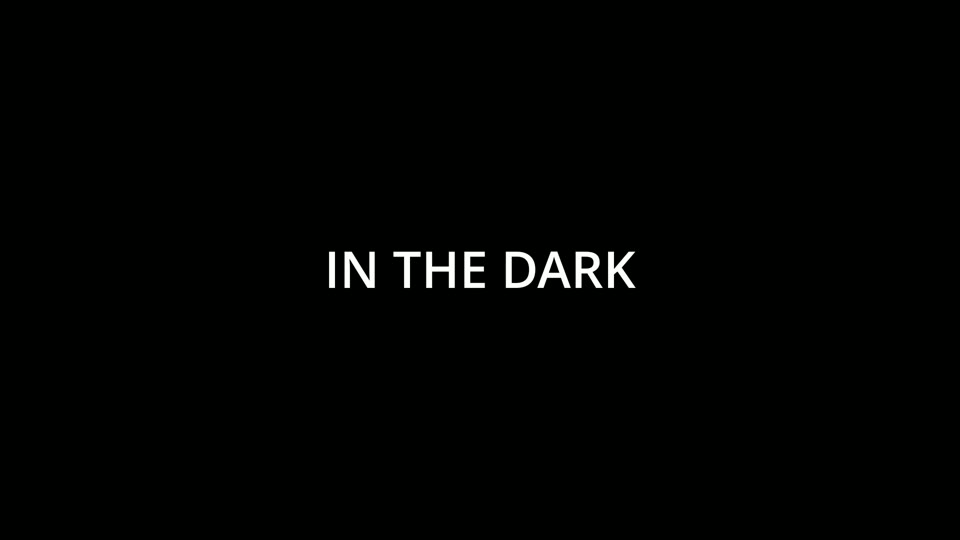
Title card: IN THE DARK Title card: Everyone's childhood fear
Opening title cards from Trailer 1 and Trailer 2 — shared typography and black-frame pacing create campaign identity.
Post 02 — Research

Studying the Genre

I researched two supernatural horror films that deal with similar subject matter — a threatening presence inside a family home and a child in danger. These films influenced the atmosphere, the restricted creature reveal, and the pacing of both trailers.

Research 1 — The Conjuring (2013)

I liked how The Conjuring creates fear through the home and ordinary spaces inside it — a child's room, doors, darkness, and the feeling that something is present even before it is fully seen. It builds tension slowly, then uses sudden disturbing moments to make the fear stronger. I used its restraint in both trailers: the presence is felt before it is seen.

Research 2 — The Babadook (2014)

I liked how The Babadook creates horror through a threatening presence inside the home, using shadows, disturbing sounds and fear around a child. The creature is not always shown fully, which makes it feel more powerful and unsettling. I borrowed its "glimpse only" approach — my creature never appears clearly in either trailer.

Convention Summary

Both films restrict their creatures to silhouettes, suggestion and negative space — the audience fears what they don't see. Across my two trailers I never show the presence clearly: a shadow hand, a creaking door, a growl. The threat is the image, not the monster.

Post 03 — Production Schedule

Planning the Campaign

DateTask
13 AprilCreate concept (Trailer 1 & 2)
13 AprilResearch (The Conjuring, The Babadook)
13 AprilBlog Entry 1 and 2
13 AprilProduction schedule
14 AprilPlan shots — Trailer 1
14 AprilPlan shots — Trailer 2
14 AprilFilm Trailer 1
14 AprilFilm Trailer 2
14 AprilCreate poster
14 AprilCreate social media page
14 AprilEdit Trailer 1
14 AprilEdit Trailer 2
14 AprilOrganize files for submission
Post 04 — Film Poster

Designing the Theatrical Poster

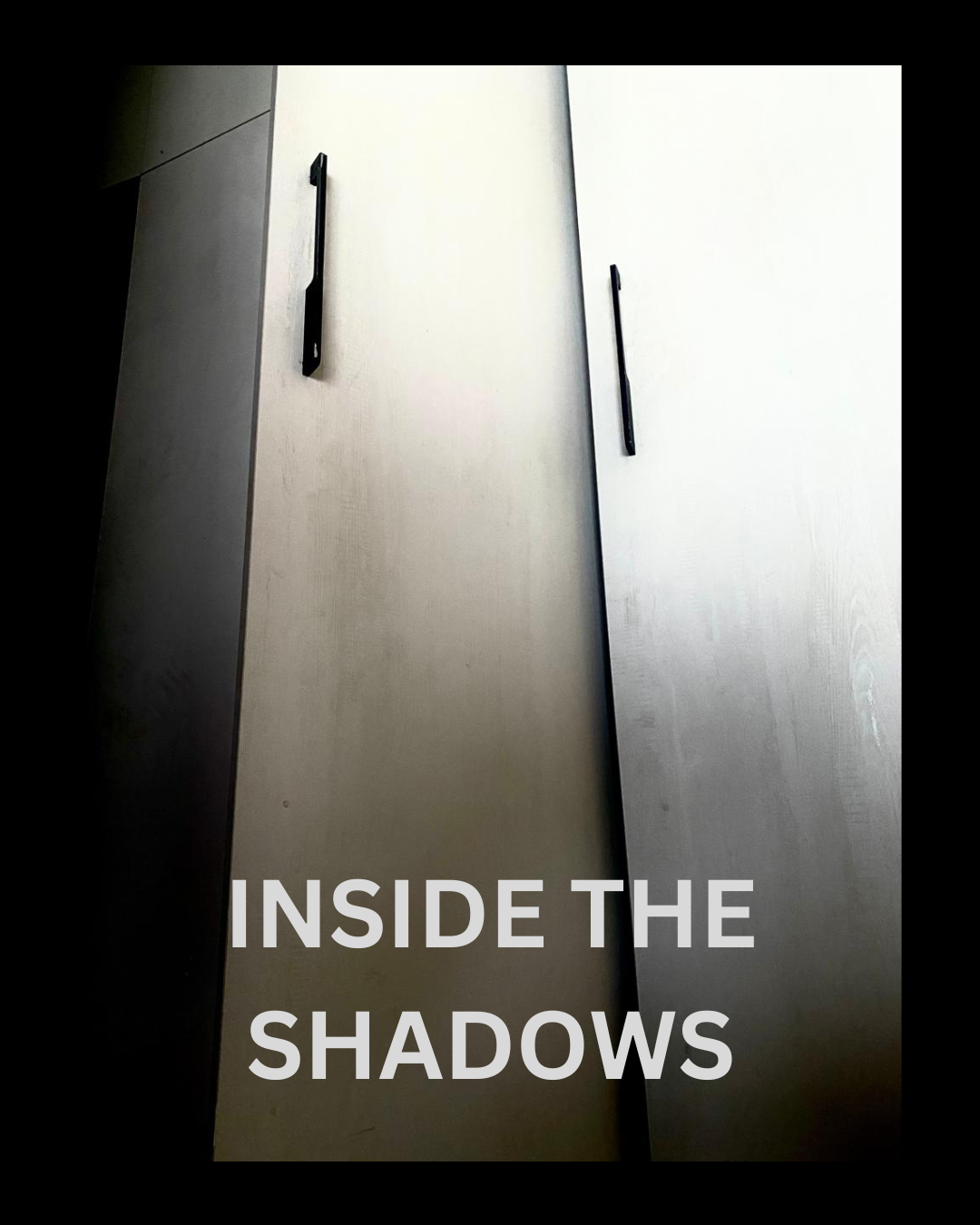
For my poster I used a dark low-angle image of the closet in the child's room, with one of the closet doors slightly open. The low angle puts the audience in the child's position, looking up at something dangerous. The fact that the door is already slightly open makes the image feel more disturbing — it suggests that something has already started.

The title INSIDE THE SHADOWS sits near the bottom so the image stays the main focus. The tagline — "It was never imagination." — hints that the child was telling the truth all along.

Final film poster — Inside the Shadows
Post 05 — Social Media Page

Instagram-Style Campaign Page

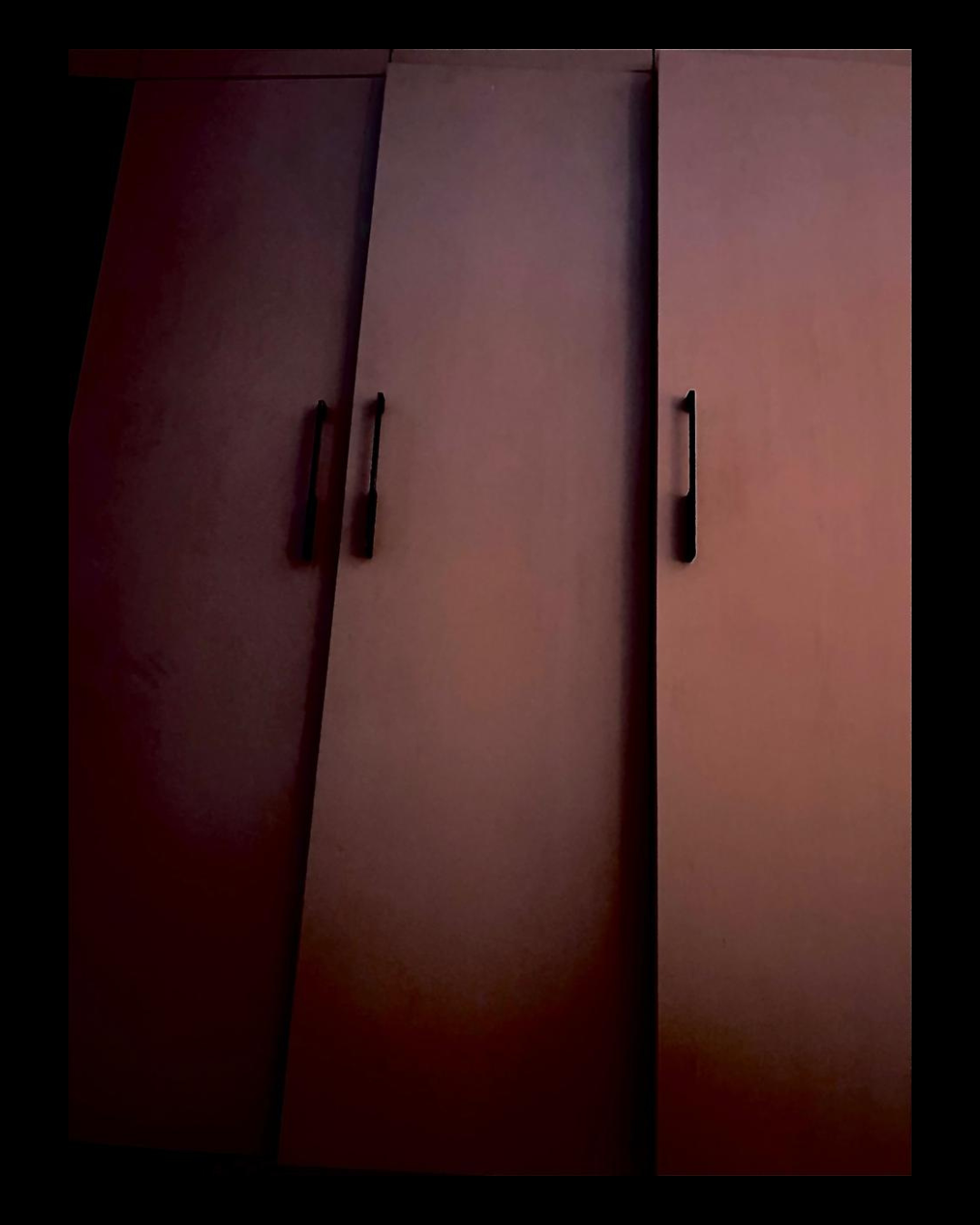
I created an official Instagram-style promotional page for Inside the Shadows. The page uses dark and minimal visuals to match the tone of the film — title reveal, tagline, poster reveal, closet teaser, and Trailer 1 / Trailer 2 announcement posts.

Post — Inside the Shadows title reveal Post — It was never imagination tagline Post — Poster reveal Post — Closet teaser Post — Trailer 1 coming soon Post — Trailer 2 coming soon

All posts share the same black background, white bold typography and cohesive horror identity.

Post 06 — Recce Report

Location Scouting

Because the film is about a threatening presence inside the home, I used connected indoor locations so the horror feels contained and believable.

Location 1 — Corridor

Creates tension and distance — family standing outside the child's room, looking into darkness. The narrow shape makes the space feel trapped.

Location 2 — Side Corridor / Dining Area View

Gives another angle on the same space and makes the house feel larger and more realistic.

Location 3 — Kitchen Entrance

Works for scenes where the child is near safety but still close to danger.

Location 4 — Kitchen Hiding Area

The child hides here while the fear inside the house continues to build — shows the danger is spreading beyond just the bedroom.

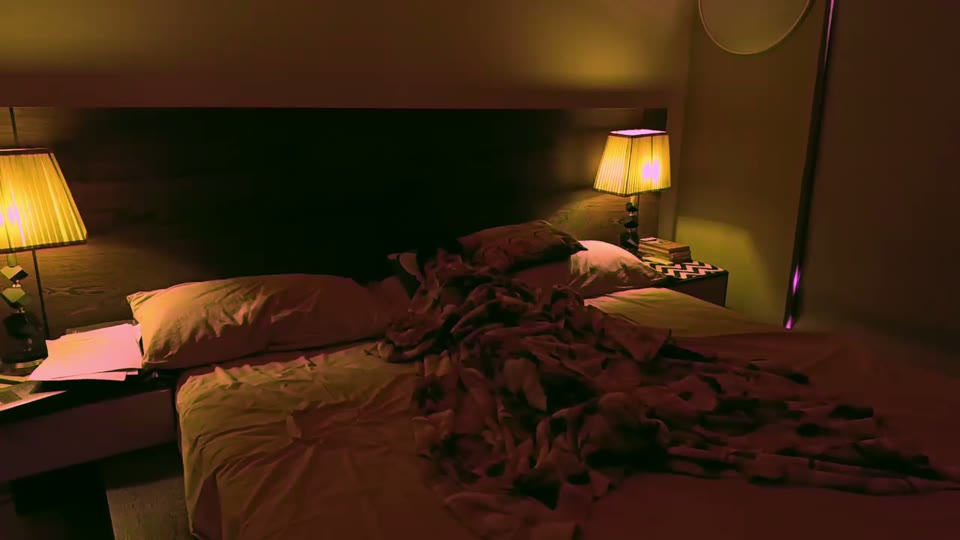
Location 5 — Child's Bedroom / Bed Area

The main and most important location. Bed, closet and lighting all help create the core horror image of the project.

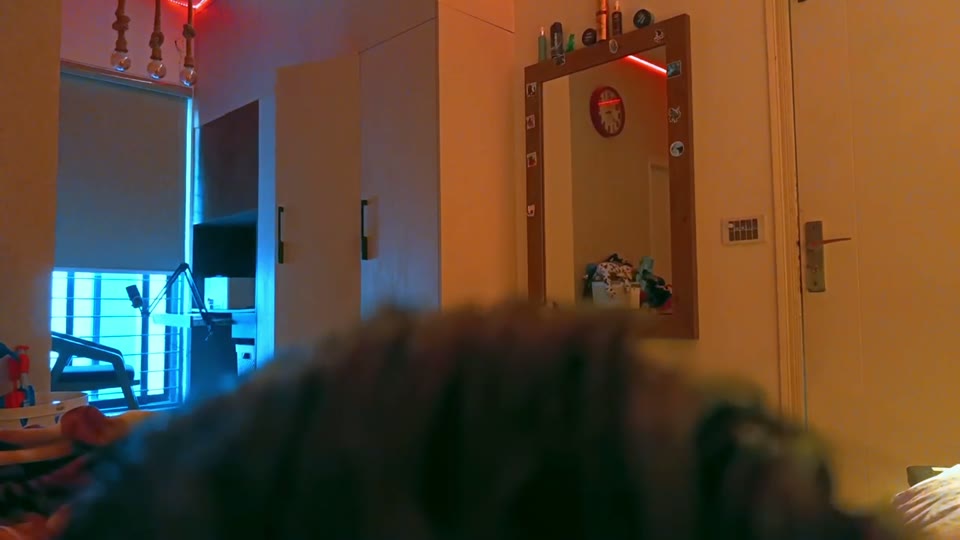
Child's bedroom — warm practical lamps Bedroom — red/blue LED wash
Location 5 — same room, two different emotional temperatures: warm practical lamps vs red/blue LED wash.
Post 07 — Risk Assessment

Health & Safety on Set

RiskWho is at riskHow it is reducedLevel
Tripping in corridor or near doorwaysActors / CrewKeep floor clear before filming and check movement pathsLow
Low lighting during dark scenesActors / CrewUse safe controlled lighting; ensure people can still see where they walkMedium
Bumping into furniture in bedroomActors / CrewMove unnecessary objects out of the way before filmingLow
Slipping in kitchen areaActors / CrewKeep floor dry and clear before filmingLow
Doors opening and closing suddenlyActors / CrewOpen and close doors carefully and rehearse firstLow
Camera or tripod getting knocked overCrew / EquipmentPlace camera securely and keep filming area organisedLow
Loud household noise affecting soundFilming qualityFilm in quieter conditions; repeat takes if neededMedium
Distracting objects in frameFilming qualityCheck framing carefully before each shotLow
Post 08 — Storyboard & Shot List

Trailer Shot Lists

Trailer 1 — Shot List

Shot 1 — Wide. Child lying in bed at night.
Shot 2 — POV / medium. From the child's view toward the closet.
Shot 3 — Close. The child notices something is wrong.
Shot 4 — Close. The light goes out. Click / sudden silence.
Shot 5 — Close. The closet door begins to open. Creaking.
Shot 6 — Low. A shadow hand reaches out. Don't show too much.
Shot 7 — Medium. Family talks about what is happening.
Shot 8 — Wide. Family stands in corridor holding objects for protection.
Shot 9 — Low from inside the room. Family seen from the darkness.
Shot 10 — MCU. "MY BOY IS IN DANGER!"
Shot 11 — Medium. Child hides in the kitchen.
Shot 12 — Medium. Uncle kneels in front of the closet.
Shot 13 — POV from inside the closet. Creature perspective.
Shot 14 — Close. Closet opens by itself. Loud creak / sting.
Shot 15 — Darkness. Inhuman growl.
Shot 16 — Title card: INSIDE THE SHADOWS.
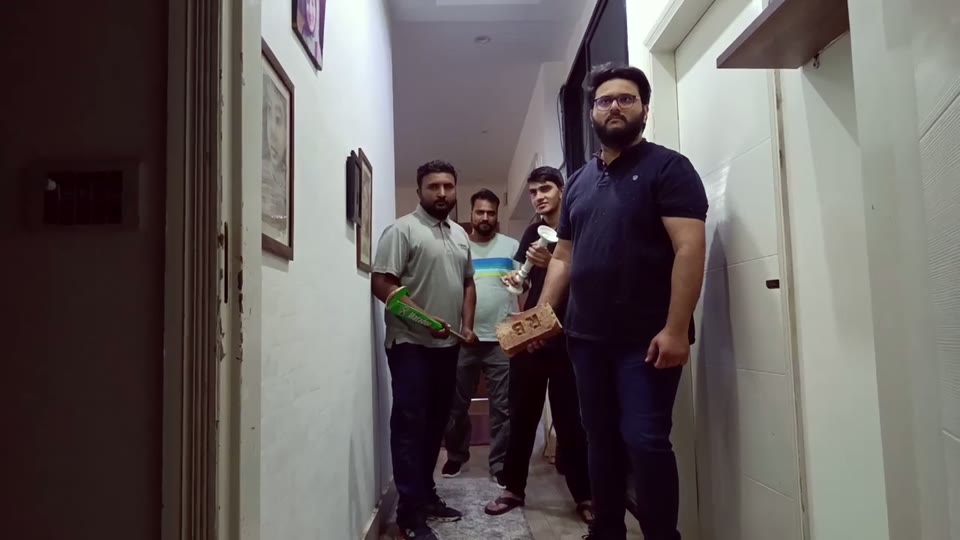
Shot 8 — family in corridor with bat, bricks, hockey stick
Shot 8 realised — hockey stick, bat, bricks. Ordinary household objects, not weapons — the family isn't prepared for what's inside.

Trailer 2 — Shot List

Shot 1 — Close. Camera closes in on the closet door.
Shot 2 — Medium. Uncles enter the room carefully.
Shot 3 — Slow. Close shots across the stuffed toys.
Shot 4 — Unusual angle. The fan moves strangely.
Shot 5 — Wide. Family in the room at night, watching.
Shot 6 — Close. Closet opens angrily.
Shot 7 — Medium. Everyone jolts up.
Shot 8 — MCU. Uncle hugs the child; both look toward the dark room.
Shot 9 — Medium. Uncle in dining area; child calls from the kitchen.
Shot 10 — Corridor wide. Child crosses while the dangerous room door is open.
Shot 11 — Close. Open room suggests the creature's presence without full reveal.
Shot 12 — Title card: INSIDE THE SHADOWS.
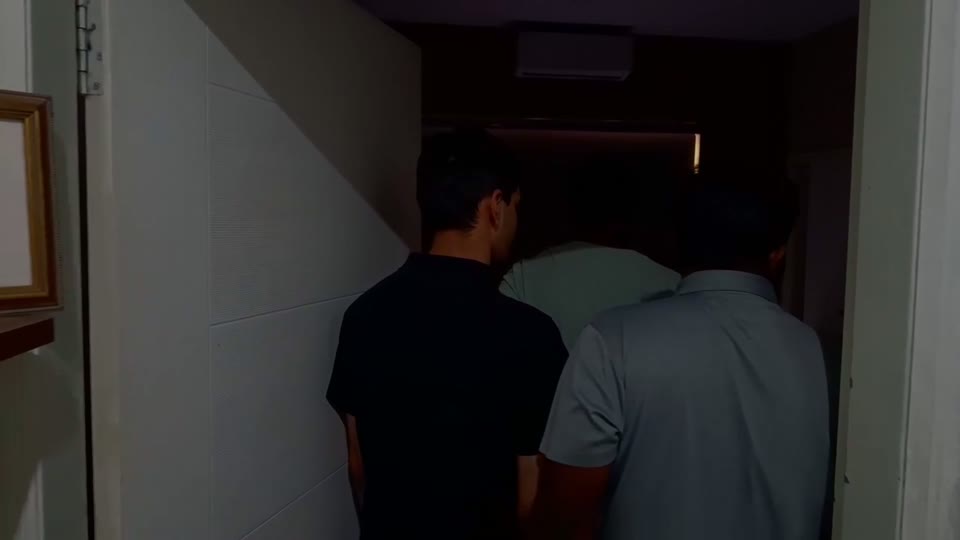
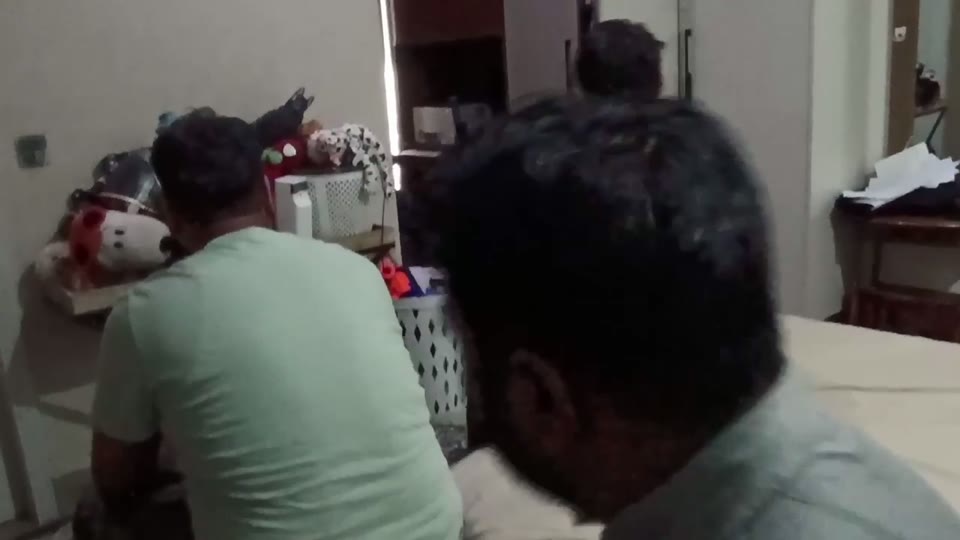
Shot 2 — uncles entering the room Shot 3 — stuffed toys reframed as threats
Trailer 2, Shots 2 & 3 — the uncles entering from behind, and the stuffed toys reframed as threats rather than comfort.
Post 09 — Script

Screenplay — Trailer 1

Trailer 2 is a silent visual escalation, so the formal screenplay below covers Trailer 1 only.

INT. CHILD'S BEDROOM — NIGHT

A CHILD lies in bed. Soft bedside light. A small sound. The CHILD slowly turns his head toward the closet.

CHILD'S POV — THE CLOSET

The closet sits in the dim room. Still. Silent. Watching.

Back to the CHILD. The light suddenly goes out. A long creak. The closet door starts to open. From the darkness, a wrong-looking shadow hand reaches outward. Cut.

INT. HOUSE — NIGHT

FATHER, UNCLE 1, UNCLE 2 and UNCLE 3 stand together, tense.

FATHER
He said it opened on its own.

UNCLE 1
Kids imagine things.

FATHER
Not like this.

INT. CORRIDOR — NIGHT

The family stands outside the bedroom. One holds a hockey stick. One holds a bat. One holds bricks. The bedroom beyond them is dark.

UNCLE 2
Say something.

FATHER
My boy is in danger.

INT. KITCHEN — NIGHT

The CHILD hides low, breathing hard. A nearby door creaks open.

INT. CHILD'S BEDROOM — NIGHT

UNCLE 1 kneels in front of the closet. He listens. Tense.

POV — FROM INSIDE THE CLOSET

UNCLE 1 is seen from the darkness, close to the opening.

Then — the closet opens by itself. A deep, inhuman growl comes from inside. Cut to black.

INSIDE THE SHADOWS

Post 10 — Production Diary

On Set

Both trailers were filmed in the same house, moving between bedroom, corridor, and kitchen. Because every location was a shared interior, we had to be strict with lighting continuity.

Challenges & Solutions

  • Filming scary scenes in a familiar home — used dim practical lighting and unusual angles to defamiliarise everyday rooms
  • Closet movement effect — multiple takes; picked the most believable
  • Continuity across two shoots — shared reference document for both
  • Directing adult cast to perform fear — rehearsed the corridor standoff several times before rolling
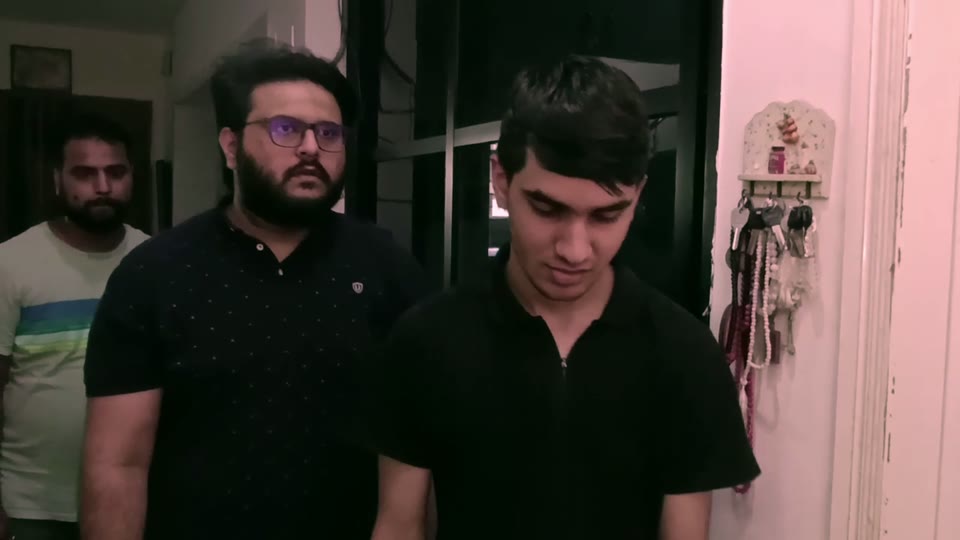
Two family members, worried expressions Family in corridor with improvised weapons
The corridor standoff — single narrow hallway, only practical ceiling lighting. Ordinary objects chosen as weapons because the family is not prepared.
Post 11 — Editing

Cutting Two Trailers That Feel Like One Film

Trailer 1 — Slow Build

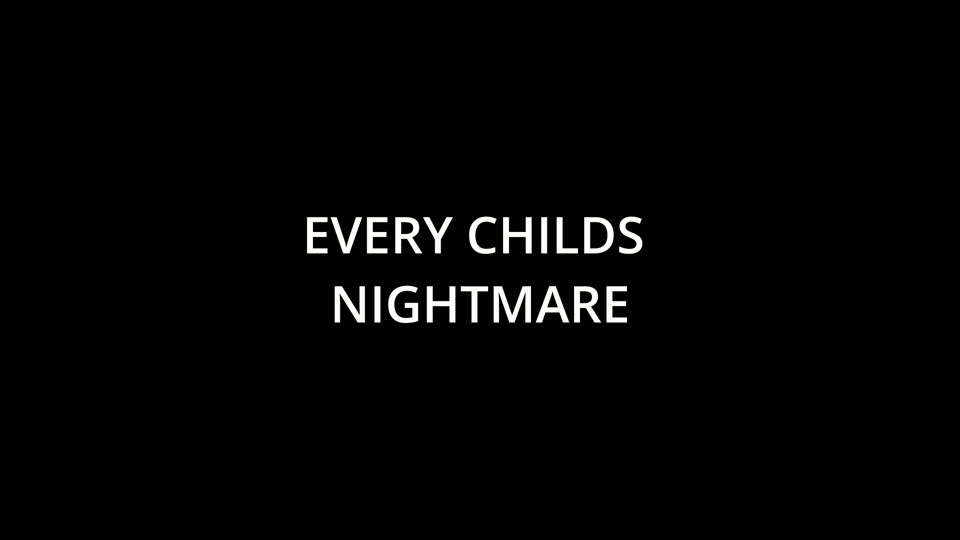
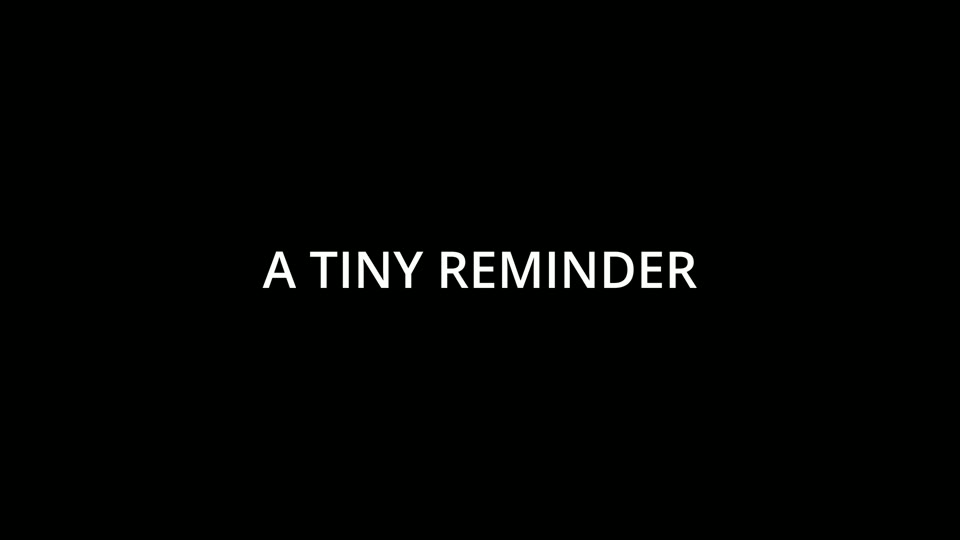
Trailer 1 opens almost silent, with long holds on the bed and the closet. Pace only breaks when the family arrives in the corridor. Black-frame title cards ("IN THE DARK", "SOMETHING UNFRIENDLY", "EVERY CHILD'S NIGHTMARE") let each shock land cleanly.

Trailer 2 — Aggressive Cutting

Trailer 2 uses shorter cuts, faster reactions and layered sound design. Where Trailer 1 asks "what is in the room?", Trailer 2 shows the family in the room with the thing — the editing keeps them close to the danger.

Shared Identity

  • Identical title typography — bold white sans-serif on pure black
  • Identical end card — INSIDE THE SHADOWS
  • Identical colour grade — warm mid-tones crushed into deep blacks
  • Shared sound palette — low drone, sub-bass impact, sharp silence before title
Title card — IN THE DARK Title card — EVERY CHILD'S NIGHTMARE Title card — A TINY REMINDER
Title cards across both trailers — same typeface, same weight, same black frame.
Post 12 — Final Product

The Complete Campaign

Trailer 1

Trailer 2

Film Poster

Final film poster — Inside the Shadows

Social Media Page

Post — title reveal Post — tagline Post — poster reveal Post — closet teaser Post — Trailer 1 coming soon Post — Trailer 2 coming soon

Reflection

The campaign works best when all four products share the same horror tone, title and imagery. The trailers, poster and social media page all support the same idea of fear inside the home. I especially enjoy filming and editing, because they allow me to be more creative and confident.

Post 13 — Creative Critical Reflection

A Level CCR

Question 01

How does your product use or challenge conventions, and how does it represent social groups or issues?

Inside the Shadows uses supernatural horror conventions drawn from The Conjuring and The Babadook — a child in danger, a haunted bedroom, restricted creature reveal, low-key lighting, family fear. It challenges convention by extending the horror to the wider family — uncles, not just parents — giving a stronger sense of community fighting back. The campaign represents family as protective and unified, with multiple generations rallying around the endangered child. This positively represents extended family structures, which resonates in many cultural contexts — especially a South Asian audience for whom extended family protection is lived reality rather than narrative invention.

Question 02

How does your product engage with audiences and how would it be distributed as a real media text?

The campaign engages audiences across multiple platforms — trailers for cinema and streaming, a poster for cinema lobbies and online, and a social media page for ongoing engagement. Each product serves a different purpose but supports the same core idea. As a real media text, Inside the Shadows would work as a theatrical horror release distributed by a genre studio like Blumhouse, with simultaneous streaming on Netflix, Prime Video or Shudder. The Instagram page reflects how modern horror films build audience anticipation through short silent clips, single-image reveals and countdown posts.

Question 03

How did your production skills develop throughout this project?

My production skills developed significantly compared to my AS project. I planned a more complex production with three connected products rather than a single film opening. I improved at managing multiple cast members, working in tight indoor spaces, and producing static visual design (poster, social media page) alongside moving image. My editing skills grew — Trailer 1 needed slow build; Trailer 2 needed aggressive cutting. I also gained confidence in graphic design for promotional materials.

Question 04

How did you integrate technologies — software, hardware and online — in this project?

Hardware: DSLR, tripod, external microphones, practical lights, smartphone for BTS. Software: video editing suite (cutting, colour grading, audio mixing), graphic design software for the poster, image editing for the Instagram mockup. Online: Blogger for documentation, YouTube for research, cloud storage for footage backup, Instagram-style templates as reference. Integrating all three allowed me to produce a complete cross-platform campaign — moving image, print, and digital — from a single project.